TanzaniaPrivateMid range
9-Day Serengeti, Ngorongoro & Tarangire Tour
9 days · 8 nights
You visit: Arusha, Tarangire, Serengeti, Ngorongoro, Lake Eyasi
Explore morePack light, experience more. Our practical safari packing notes cover neutral colours, soft-sided bags and a short Kilimanjaro list.
By Noreen Godfrey Kirimbai ·
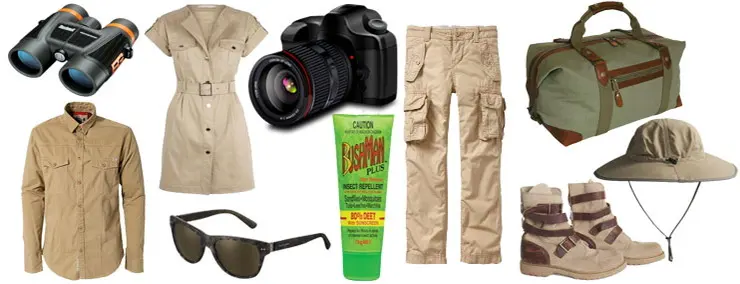
The best safari bags are smaller than people expect. You spend most of your days in a vehicle in comfortable clothes, many lodges offer a laundry service, and light-aircraft flights have their own baggage rules. Here are our packing notes, refined over many safaris.
If your safari includes a light-aircraft flight, for example to the Serengeti or Zanzibar, check the baggage allowance for your specific flight; soft-sided bags are usually required so they fit in the hold. If you are driving the whole way, you have a little more freedom, but a soft duffel is still the easiest bag to live out of.
Choose neutral, natural colours such as khaki, olive, beige and soft brown. They help you blend in, show less dust and are comfortable in the heat. Avoid very bright colours and white, which show every speck of dust. Dark blue and black are best avoided in tsetse fly areas, such as parts of Tarangire, as they can attract the flies.
Early game drives can be surprisingly cold, especially in an open-roofed vehicle, and the Ngorongoro Crater rim is chilly in the mornings and evenings. Layers are the answer.
Binoculars make a huge difference on safari, whether for a leopard in a tree or a bird across the river. Our vehicles carry binoculars, but if you have your own pair, bring them, so that everyone has one at the key moment.
Tanzania uses type G plugs, the three-pin British style, at 230 volts. Our vehicles have charging points, but bring a power bank too.
You do not need full camouflage clothing; neutral colours are enough. Leave the hard-shell suitcase behind if you are flying light aircraft, and do not pack too many changes of clothes, as most lodges can wash them. Single-use plastic bags are banned in Tanzania, so avoid packing them.
Climbing Kilimanjaro or Mount Meru needs more specialist gear. Your mountain crew will send a full list, but the essentials are:
Some items, such as sleeping bags and poles, can be hired in Arusha. Before your journey we send you a complete packing guide for your itinerary. If you are travelling with children, take a look at our kids' safari packing list too.
Further reading
Related trip
9 days · 8 nights
You visit: Arusha, Tarangire, Serengeti, Ngorongoro, Lake Eyasi
Explore moreRead next
A safari is an unforgettable experience for all ages. Here is how we plan family journeys that work for children and parents alike.
Read the notePlan with us
Every itinerary is drawn by hand in our Arusha office — routing, pacing, camps and honest budget ranges. One conversation is usually enough to know whether we're the right fit.