TanzaniaPrivateLodge
3-Day Ngorongoro & Serengeti Safari
3 days · 2 nights
You visit: Ngorongoro, Serengeti
Explore moreTanzania is one of Africa's most welcoming safari destinations. Here is our practical advice for staying safe and healthy, in the parks and in town.
By Noreen Godfrey Kirimbai ·
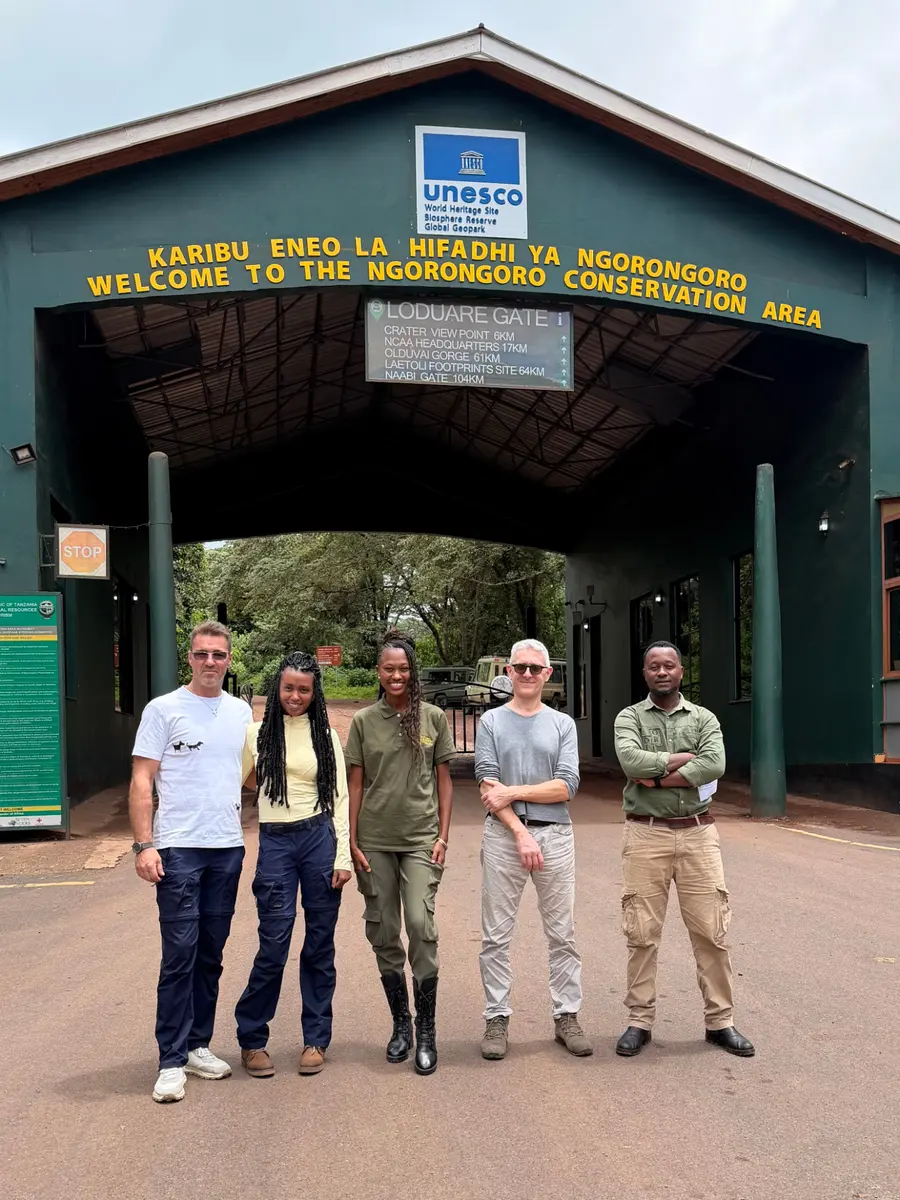
It is one of the questions we are asked most, and it is a sensible one. The short answer is that Tanzania is a welcoming, peaceful country and the great majority of visitors have a trouble-free trip. The longer answer is that, as with travel anywhere, a little preparation and common sense go a long way. Here is the practical advice we give our own guests.
Wild animals are wild, but with a professional guide, a game drive is a very safe experience. The animals in the parks are used to vehicles and generally see them as part of the landscape, not as a threat or as food.
Arusha and Stone Town are lively, friendly places, and most visitors enjoy them without any problems. Petty theft can happen in any busy town, so the usual city sense applies.
Speak to a travel clinic or your doctor several weeks before you travel. They can advise which vaccinations are recommended for you and which malaria prevention is right for your health and itinerary.
If you are arriving from, or have recently transited through, a country with a risk of yellow fever, you may be asked to show a yellow fever vaccination certificate on arrival. The rules can change, so check them before you travel.
Distances between parks can be long, and road conditions vary. Your safety on the road depends most of all on who is driving. Our safaris are driven by experienced driver-guides who know the routes, the vehicles and the conditions well.
We plan realistic driving days and allow time for changing road conditions, rest stops and the scenery along the way.
Before you go, check your own government's travel advice for Tanzania, and any countries you will combine it with, such as Kenya or Uganda. It is updated regularly and covers entry rules, health requirements and any areas to avoid. We are always happy to talk through anything you read there.
We strongly recommend comprehensive travel insurance for every guest. Make sure it covers medical treatment and medical evacuation, as well as trip cancellation and your belongings. If you are climbing Kilimanjaro or Mount Meru, check that your policy covers trekking at high altitude.
If you have a specific concern, whether it is travelling solo, with children or with a health condition, tell us. We would much rather talk it through honestly before you book than have you worry on the trip.
Further reading
Related trip
3 days · 2 nights
You visit: Ngorongoro, Serengeti
Explore moreRead next
Pack light, experience more. Our practical safari packing notes cover neutral colours, soft-sided bags and a short Kilimanjaro list.
Read the notePlan with us
Every itinerary is drawn by hand in our Arusha office — routing, pacing, camps and honest budget ranges. One conversation is usually enough to know whether we're the right fit.