Tanzania Lioness AdventureTanzania LionessAdventure

Kenya travel guide

Kenya Travel Guide: Masai Mara, Mount Kenya & Nairobi

Kenya travels beautifully on its own, and it pairs naturally with Tanzania. Here is when to go, how long to stay, what it costs and how the two countries join up.
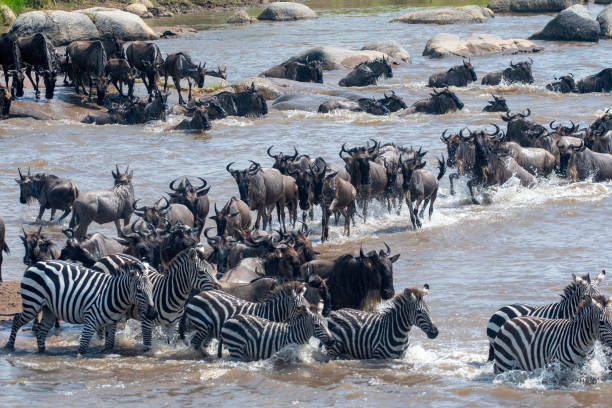
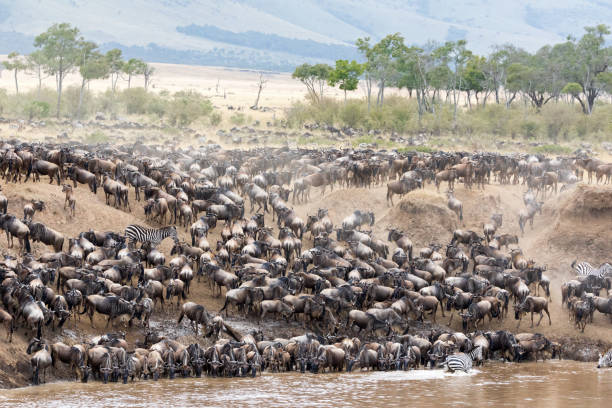
Wildebeest crossing a river in the Masai Mara

One ecosystem, two countries.

The Masai Mara and the Serengeti are the same plains with a border drawn through them. The herds do not stop at it, and neither do we — many of our guests start in the Mara and finish in the Serengeti, or the other way round.

Beyond the wildlife, Kenya gives you a high mountain to climb, a city worth a day and a coast if you want one. We plan all of it with the same guiding standard we use at home in Arusha.

When is the best time to visit?

Kenya's seasons, in plain words.

July – October
Dry season and the Mara's busiest months. The migration herds arrive from the Serengeti and river crossings are possible. Excellent game viewing across the country.
November – December
Short rains, green landscapes and fewer vehicles. Good value and beautiful light for photography.
January – February
Warm, dry and reliable. A lovely window for the Mara, Amboseli and a Mount Kenya climb.
March – June
Long rains. Some camps close and roads get soft, but prices drop and the country is at its greenest.

Where to go

Four places that carry a Kenya trip.

01

Masai Mara

Open grassland, huge predator numbers and the northern half of the same ecosystem as the Serengeti. Three nights is the sweet spot; stay in a conservancy if you want fewer vehicles and night drives.

02

Mount Kenya

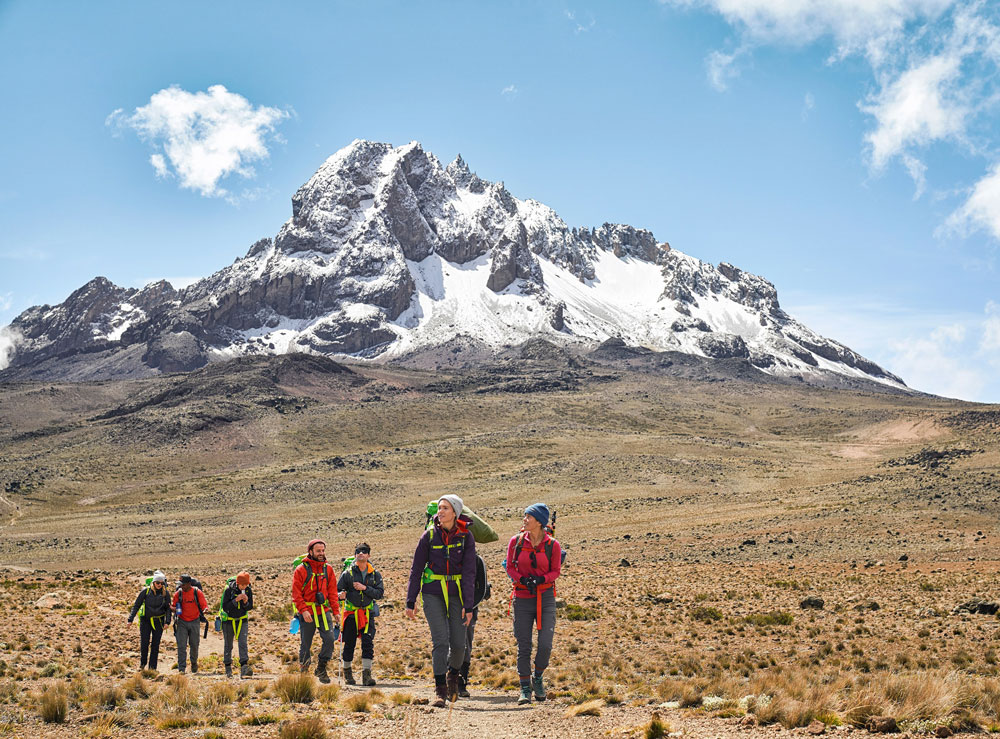
Africa's second-highest peak. Point Lenana is reachable on a four to five day trek with no technical climbing, through bamboo forest, moorland and glacial valleys.

03

Nairobi

Easy to enjoy in a day: the elephant orphanage, the giraffe centre, Karen Blixen's house, Nairobi National Park and the city's food scene.

04

Amboseli and Lake Nakuru

Amboseli for elephants beneath Kilimanjaro, Nakuru for rhino and flamingo — both fit neatly into a longer Kenya route.

Practical planning
The details guests ask us about most.

A wildebeest river crossing in the Masai Mara
The peaks of Mount Kenya
Herds gathered along a riverbank
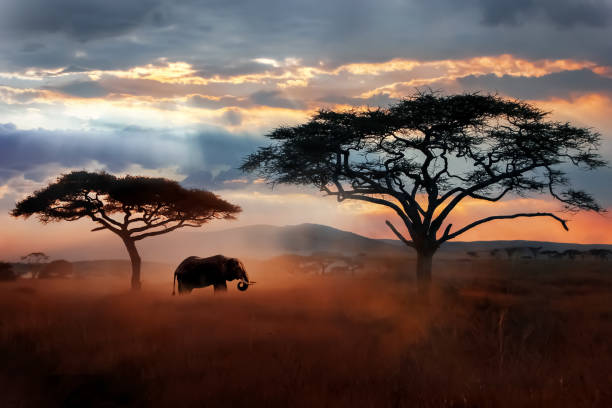
An elephant at sunset in East Africa
Visas and entry
Most visitors apply online before travel. The East Africa tourist visa covers Kenya, Uganda and Rwanda — useful if you are adding gorilla trekking.
Crossing to Tanzania
Fly Nairobi to Kilimanjaro in about an hour, or cross by road at Namanga or Isebania. We handle the paperwork and hand you over to our own team on the Tanzanian side.
Getting around
Domestic flights link Nairobi with the Mara in under an hour. Road transfers are cheaper and show you more of the country.
What it costs
Budget camps and lodges start around $150 per person per day all-in; mid-range sits roughly $250–$450; luxury conservancy camps go well above that. Park and conservancy fees are the biggest fixed cost.
Health and safety
Yellow fever certificate may be requested, malaria prophylaxis is advised, and you should travel with medical and evacuation cover. Our guides stay with you throughout.
What to pack
Neutral clothing, a warm layer for early mornings, walking shoes, sun protection and binoculars.

How long should you stay?

Five to seven days is enough for Nairobi and the Mara with time to breathe. Add three or four days for a Mount Kenya trek, and plan ten days or more if you want Kenya and Tanzania in one journey.

Mount Kenya

Plan your Kenya journey

Kenya alone, or Kenya and Tanzania together.

Prefer to chat? WhatsApp us.

No obligation. We reply within one working day.