TanzaniaPrivateMid range
9-Day Serengeti, Ngorongoro & Tarangire Tour
9 days · 8 nights
You visit: Arusha, Tarangire, Serengeti, Ngorongoro, Lake Eyasi
Explore moreA year-round country with two very different personalities. Here is what the dry season, the green season and calving season mean for your safari.
By Noreen Godfrey Kirimbai ·
Tanzania is a year-round destination. There is no month without something worth travelling for. The question is not really 'when is best?' but 'what would you like your safari to feel like?' Each season gives you something different, and knowing the broad pattern makes it much easier to choose.
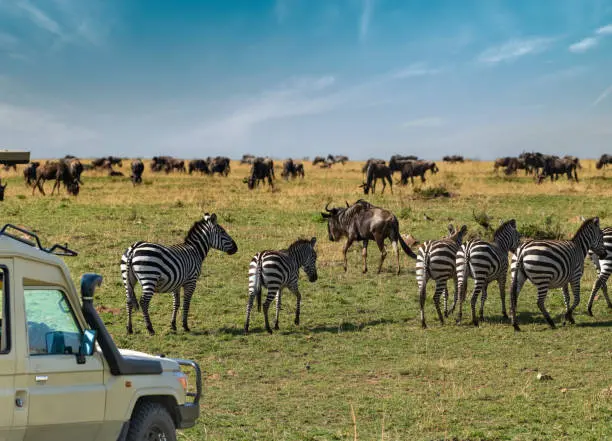
The dry season is the classic safari window. With little or no rain, the grass shortens, the bush thins and water sources become fewer. Animals gather around rivers and waterholes, which makes them easier to find and watch. Tarangire is at its best now, with large elephant herds drawn to the river.
In the Serengeti, this is the time of the Grumeti and Mara river crossings, as the Great Migration moves through the Western Corridor and into the north. Days are sunny and pleasantly warm, while early mornings and evenings are cool, especially on the Ngorongoro rim.
The trade-off is popularity. This is the busiest and usually the most expensive time of year, and some areas see more vehicles. Booking early helps you secure the camps you want.
The green season brings rain, but rarely in the way people imagine. It usually falls in two phases. The short rains arrive around November and December, often as brief afternoon showers. The long rains come around April and May and are heavier and more frequent.
Between the two, January to March is often warm and relatively dry, and this is when one of the year's great wildlife events happens.
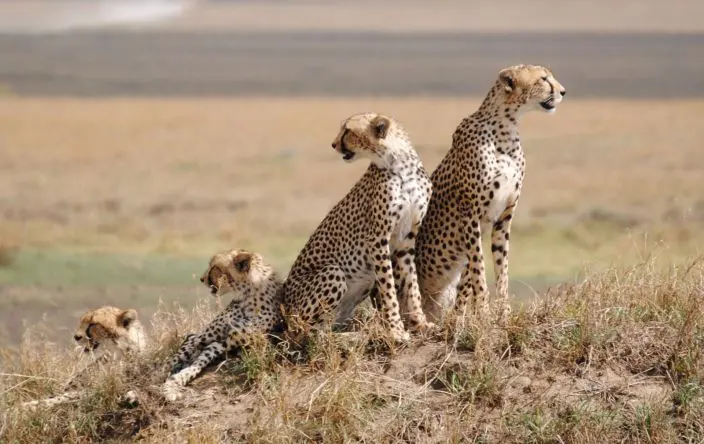
From December to March, the migration herds graze the short-grass plains of the southern Serengeti and Ndutu. Calving usually takes place roughly from late January into February, when a very large number of wildebeest calves are born over a few weeks. Predators follow closely, and sightings of lion, cheetah and hyena can be exceptional.
If you are interested in wildlife behaviour and photography, this is one of the most rewarding times of year to visit.
The green season is our quiet favourite for travellers who are flexible. The landscapes are lush, the skies are dramatic, the light is beautiful for photography, and many animals have young. Visitor numbers are lower, so you often have sightings to yourself, and many lodges offer lower green-season rates.
As a general rule, the dry season and the festive period around Christmas and New Year are the busiest and most expensive. The long rains of April and May are the quietest and often the best value. November and the months around calving sit in between, offering a good balance of wildlife, weather and fewer vehicles.
Because every safari we plan is tailor-made, we can always suggest ways to balance your budget and your wishes, such as moving a few days or mixing lodge styles.
The driest months on Kilimanjaro are generally late June to October and January to early March, which are the most popular times to climb. Climbing during the long rains is possible but wetter and colder.
Zanzibar is warm all year. It is at its sunniest during the dry months, from around June to October and again from December to February. The long rains around April and May bring more showers, though there are still bright spells. A beach extension pairs easily with a safari in almost any month.
Migration timing depends on where the herds are, so we route your camps around your travel month rather than the other way around. Tell us when you can travel and we will tell you honestly what to expect.
Further reading
Related trip
9 days · 8 nights
You visit: Arusha, Tarangire, Serengeti, Ngorongoro, Lake Eyasi
Explore moreRead next
Tanzania is one of Africa's most welcoming safari destinations. Here is our practical advice for staying safe and healthy, in the parks and in town.
Read the notePlan with us
Every itinerary is drawn by hand in our Arusha office — routing, pacing, camps and honest budget ranges. One conversation is usually enough to know whether we're the right fit.