Trekking
Kilimanjaro routes compared: Lemosho vs Machame vs Rongai
Three routes to the Roof of Africa, each with its own scenery, crowds and acclimatisation profile. Here is how to choose the one that suits you.
By Noreen Godfrey Kirimbai ·
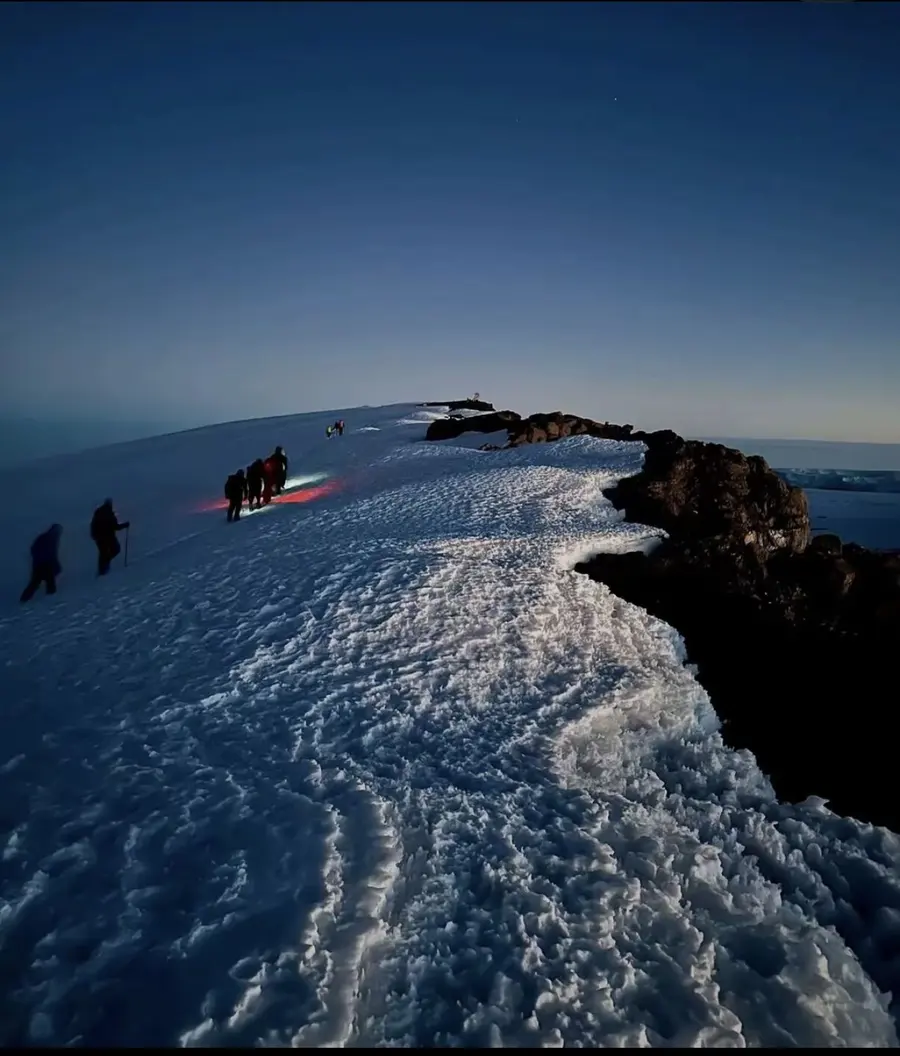
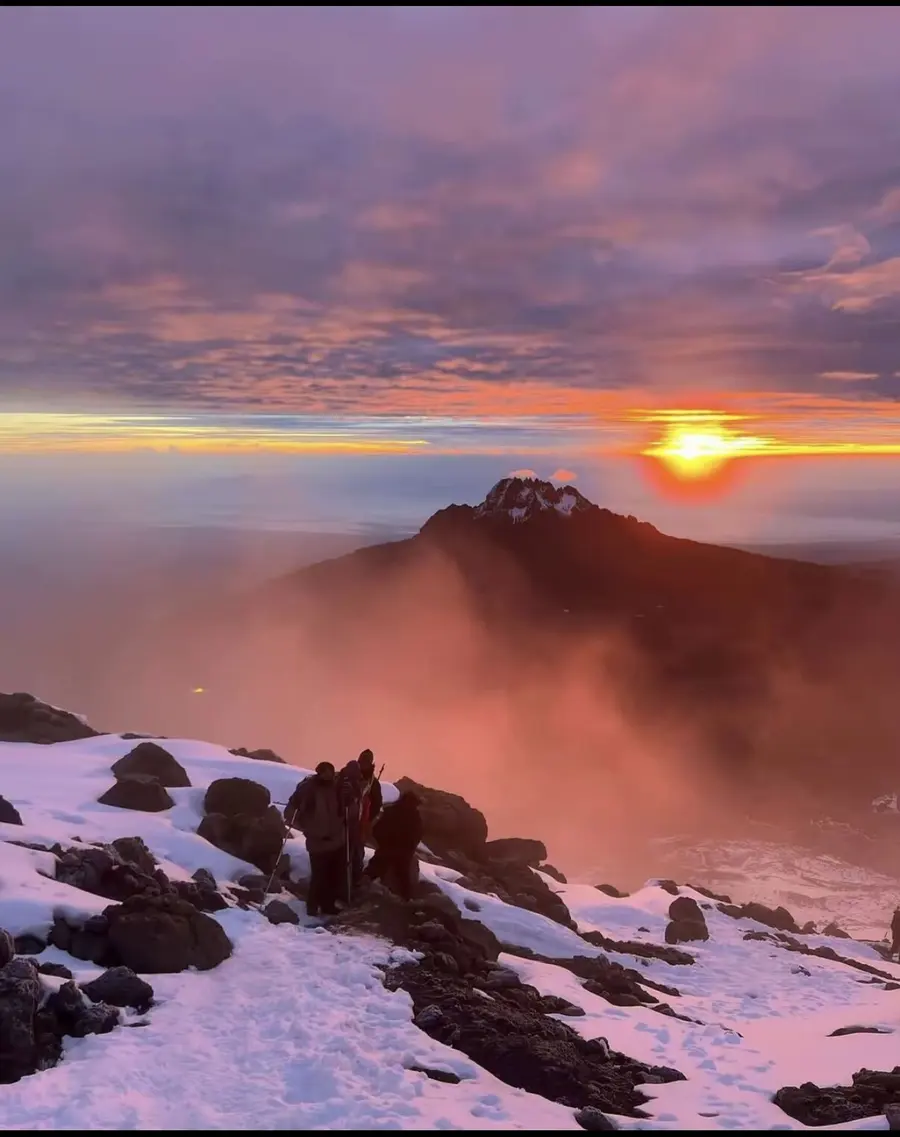
Mount Kilimanjaro is the highest mountain in Africa and the highest free-standing mountain in the world. You do not need technical climbing skills to reach the top, but you do need time, patience and a route that gives your body the chance to adapt to altitude.
We run climbs on three routes: Lemosho, Machame and Rongai. All three are excellent. The right one for you depends on how many days you have, what kind of scenery you are hoping for, how you feel about busier trails and how your body tends to handle altitude.
Why acclimatisation matters more than fitness
The biggest reason people do not reach the summit of Kilimanjaro is not a lack of fitness. It is altitude. Above around 3,000 metres the air holds less oxygen, and everyone's body needs time to adjust. Being young and fit does not protect you; walking too fast often makes things worse.
Mountain crews have a simple rule for this: climb high, sleep low. On a good itinerary you walk up to a higher point during the day, then descend a little to sleep. This gentle up-and-down helps your body adapt. You will also hear your guides say 'pole pole', Swahili for 'slowly, slowly', many times a day. They mean it.
Longer itineraries give your body more time and generally improve summit chances. That is why we usually recommend adding a day if you can, whichever route you choose.
Lemosho: the scenic western approach
Lemosho usually takes seven to eight days. It begins on the quiet western side of the mountain in thick montane forest, where you may hear colobus monkeys in the trees, then climbs onto the wide Shira Plateau with your first big open views of the summit.
From there it joins the southern circuit, passing Lava Tower and the Barranco Wall before the final ascent from Barafu camp. Because it starts in a less-visited area, the first days feel remote and peaceful. The longer profile, with excellent opportunities to climb high and sleep low, is the main reason we often recommend Lemosho to first-time climbers.
Lemosho suits travellers who have the time, value scenery and solitude, and want the strongest acclimatisation profile of the three.
Machame: popular, varied and rewarding
Machame usually takes six to seven days and approaches from the south. Sometimes called the 'Whiskey Route', it is more demanding than some others in its early days, with steeper sections, but it rewards you with some of the most varied scenery on the mountain: rainforest, heath and moorland, the alpine desert, and the famous scramble up the Barranco Wall.
Machame also follows the climb-high, sleep-low principle well, particularly on the day to Lava Tower and down to Barranco. It is one of the most popular routes on Kilimanjaro, so the camps can be busy in peak months. Choosing the seven-day version gives you an extra acclimatisation day and a more comfortable pace.
Machame suits fit, motivated walkers who enjoy variety and do not mind sharing the trail.
Rongai: quiet and drier from the north
Rongai usually takes six to seven days and is the only route that approaches Kilimanjaro from the north, close to the Kenyan border. The northern side sits in a rain shadow, so it tends to be drier, which can make it a good choice during the wetter months.
The trail climbs more gradually and is generally quieter than the southern routes, with wide views across the plains towards Kenya. The scenery is less dramatic in the early stages than on Lemosho or Machame, and the acclimatisation profile is more straightforward, which is why the seven-day version, with an extra night near Mawenzi Tarn, is the one we suggest.
Rongai suits walkers who prefer a gentler gradient, quieter camps and a better chance of dry weather.
Lemosho, Machame and Rongai side by side
Use this as a quick overview. Your guide will walk you through the exact daily profile when we plan your climb.
| Lemosho | Machame | Rongai | |
|---|---|---|---|
| Typical duration | 7–8 days | 6–7 days | 6–7 days |
| Approach | West | South | North |
| Scenery | Forest, Shira Plateau, very varied | Very varied, Barranco Wall | Drier, wide views to Kenya |
| Crowds | Quiet at first, busier later | Busy in peak months | Quieter |
| Acclimatisation | Excellent | Good, best on 7 days | Moderate, best on 7 days |
| Best for | First-timers with time | Fit walkers who like variety | Gentler gradient, wetter months |
Warm up on Mount Meru
If you have a few extra days, Mount Meru is one of the best preparations for Kilimanjaro. At 4,566 metres it is Tanzania's second-highest mountain and sits inside Arusha National Park, so you walk among giraffe, buffalo and colobus monkeys on the lower slopes, accompanied by an armed park ranger. The crater rim walk at the top is spectacular, and the climb gives your body a valuable head start on altitude before Kilimanjaro.
When to climb
The driest months on Kilimanjaro are generally late June to October, and January to early March. These are the most popular times to climb. During the long rains, roughly April and May, the trails are quieter but wetter and colder, and Rongai's drier northern side becomes more appealing. You can climb in the shoulder months too, with good gear and realistic expectations.
Which route should you choose?
- First climb and enough time: Lemosho, ideally eight days.
- Want variety and do not mind busier camps: Machame, seven days.
- Prefer quiet, drier trails and a gentler gradient: Rongai, seven days.
- Want the best possible preparation: add Mount Meru first.
You can read the day-by-day plan for each route on our Trekking page, and on the individual Lemosho, Machame and Rongai route pages. If you are still unsure, tell us how many days you have and how you have felt at altitude before, and we will recommend honestly.
Related trip
Turn this into a journey
Read next
Ngorongoro Crater: a practical guide
What the crater is, what you are likely to see, how a crater day actually works and how to fit it into your safari.
Read the notePlan with us
Tell us when you can travel. We'll tell you where the good light is.
Every itinerary is drawn by hand in our Arusha office — routing, pacing, camps and honest budget ranges. One conversation is usually enough to know whether we're the right fit.